


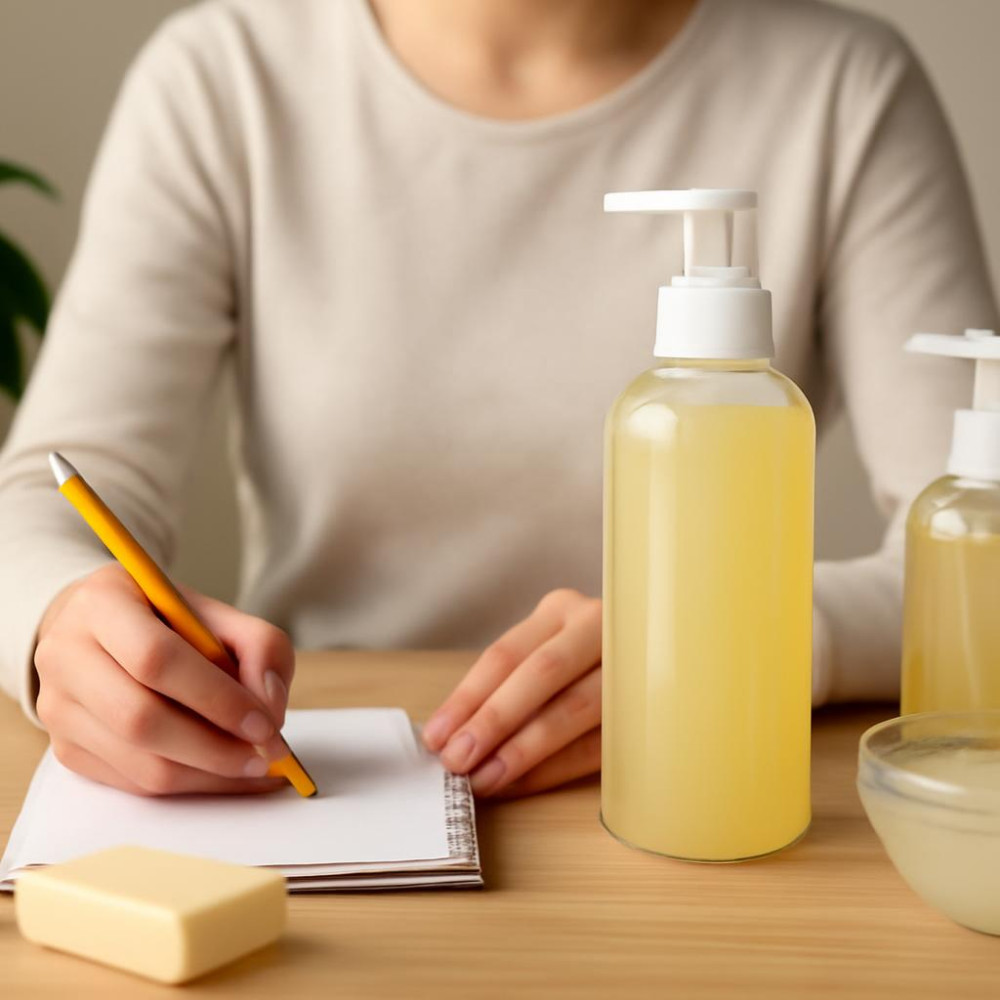
Liquid soaps are a common household and personal care product, and a well-structured business plan can help you navigate production, quality, and market reach. This article outlines a practical approach for students, researchers, and small businesses considering a liquid soap venture. It focuses on planning, resource needs, and realistic expectations while highlighting common constraints and opportunities.
Clarify the product and market
Before writing a plan, describe the specific liquid soap you intend to offer. Consider your target customers, whether it is household hand soap, dishwashing liquid, or a specialised hand sanitiser. Clarify the key attributes such as viscosity, fragrance, colour, packaging options, and any regulatory considerations for your region. Mapping potential customer segments helps you tailor pricing and distribution strategies. Remember that consumer perception is influenced by branding, reliability, and availability.
Outline the operations model
A practical plan identifies the core operations: formulation, sourcing, production, packaging, quality control, storage, and distribution. Start with a simple, scalable process that can be adjusted as demand grows. Outline supplier relationships for base ingredients, fragrances, colours, and packaging. Consider whether you will undertake in-house mixing and bottling or partner with co-packers. Build in tasks for batch records, cleanliness, and safety compliance to minimise waste and ensure consistency across batches.
Estimating costs and financials
Financial planning for a liquid soap venture involves initial setup costs, ongoing production costs, and revenue projections. When developing a budget, consider equipment needs (mixers, bottling lines, and storage shelves), raw materials, packaging, labelling, and any certifications you may pursue. Include overheads such as utilities, insurance, and any shop or workspace rent. A simple forecast should cover at least the first 12 months, with monthly sales targets and cost of goods sold. It is important to recognise that figures can vary with supplier prices and demand, so plan for a margin of safety. The project you are exploring includes a downloadable LIQUID SOAP BUSINESS PLAN, which may provide a structured financial template you can adapt responsibly. Remember to annotate uncertainties and how you plan to mitigate them within the plan.
Compliance and quality considerations
Quality and safety are essential for liquid soaps. Identify the regulatory requirements relevant to your location, including labelling, ingredients disclosure, and any required certifications. Implement a straightforward quality control process: test batch consistency, monitor cleaning performance, and track customer feedback. A practical approach keeps documentation manageable while enabling traceability should issues arise. If you have access to academic or research inputs, consider a small pilot run to validate performance before scaling up.
Marketing and distribution strategy
Your plan should define how you will reach customers. Possible channels include direct online sales, local retailers, or community markets. Evaluate the pros and cons of each channel, noting initial outreach costs, order quantities, and lead times. A simple branding concept—logo, packaging design, and messaging—can reinforce product identity. Also plan for customer service and return policies, as these influence buyer confidence and repeat business.
Risk management and milestones
Identify key risks such as price fluctuations for raw materials, supply chain interruptions, and shifts in consumer demand. Develop contingency measures, such as alternative suppliers, cautious inventory levels, and phased scaling. Establish milestones: a minimum viable product, first production run, first 50 customers, and profitability break-even. Documenting these milestones helps you measure progress and adjust the plan as needed.
Using the ProjectShelve resource responsibly
The LIQUID SOAP BUSINESS PLAN resource is designed to support a practical path from concept to implementation. Use it as a starting point, adapting the structure to your locale, regulatory environment, and business goals. If you are unsure about sections such as pricing or market analysis, seek feedback from mentors or peers. The intention is to provide a clear framework that you can customise with your own data and experiences. In your plan, include a note that you may review assumptions as you obtain real-world results and customer feedback. LIQUID SOAP BUSINESS PLAN is the marker you should expect to be replaced with the verified target link for your download.
Limitations and honest expectations
A practical plan recognises its own limitations. Market conditions can change rapidly, and small ventures often operate with tight cash flow. Start with a modest scope, and plan to iterate. Consider pilot production before full-scale manufacturing, and keep records of lessons learned to refine future versions of the plan. By approaching the project with flexibility and thorough documentation, you improve your chances of building a sustainable operation.
Final thoughts for learners and practitioners
A liquid soap business plan is not only a document—it is a roadmap for turning an idea into a workable venture. Focus on clear goals, dependable processes, and honest financial projections. Use the resource as a scaffold, but ensure all numbers reflect realistic expectations and updated supplier quotes. With careful planning, small teams can progress from concept to controlled production and thoughtful marketing, while keeping compliance and quality at the forefront.
#projectshelve #liquidsoap #smallbusiness #businessplanning #entrepreneurship #academicresearch