

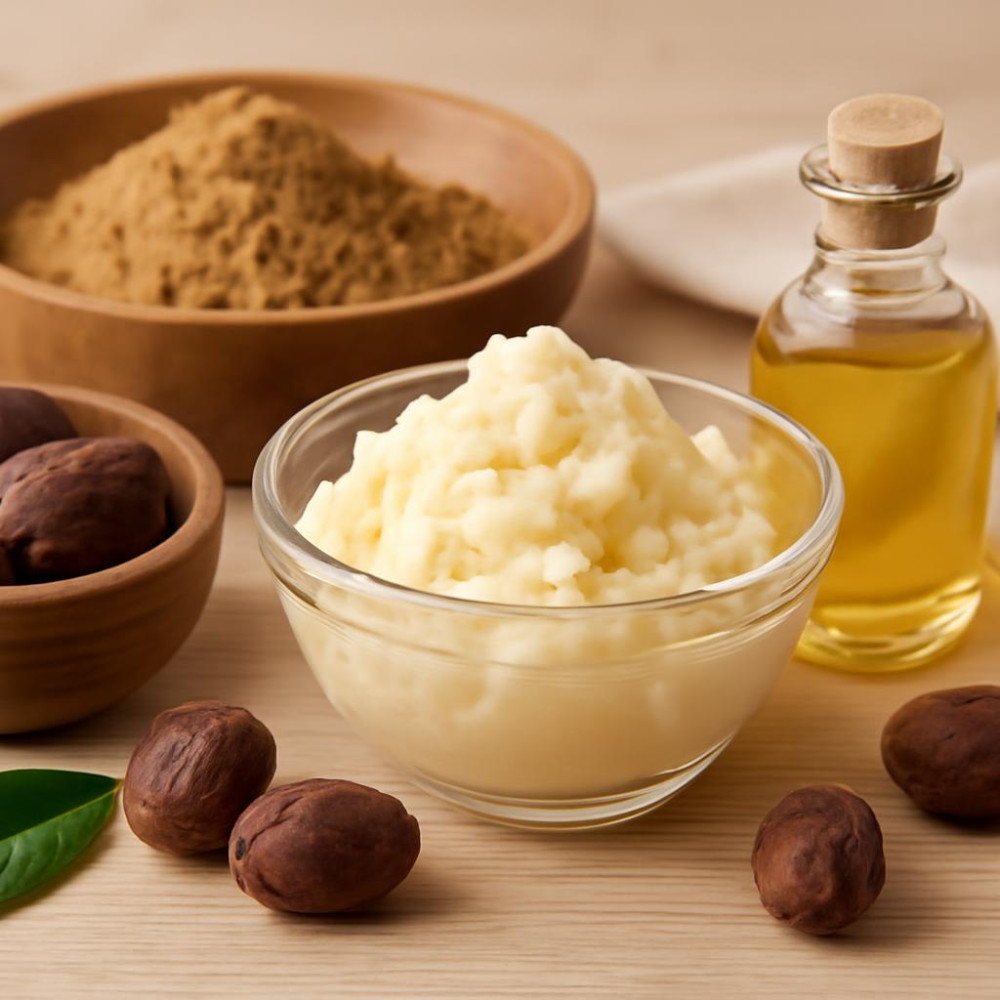
Shea butter remains a valuable ingredient in cosmetics, skincare, and personal care products. For students, researchers, and small businesses exploring this sector, a structured business plan helps translate concept into a viable operation. This article outlines a practical approach to developing a business plan for shea butter production and processing, highlighting common considerations and potential limitations along the way.
Understanding the opportunity
Shea butter is derived from the kernels of the shea tree and is used in moisturisers, soaps, and lip care. The opportunity often lies in sourcing, processing, quality assurance, and access to markets. When developing a plan, consider where you will obtain raw kernels, how you will extract butter, and who your customers will be. A clear value proposition improves chances of securing support from lenders or partners. The plan should reflect realistic timelines and costs, including equipment, labour, and regulatory requirements.
Defining your scope and operations
A practical plan sets out the scale of production and the processing steps. Typical stages include collection of raw material, cleaning and drying, roasting, grinding, and separating the oil. For small ventures, modular equipment can offer flexibility while you establish demand. It is important to map the flow of materials, identify critical control points for quality, and consider waste management from processing by-products.
Market and product strategy
Identify potential product forms: raw shea butter, refined butter, or blended products for skincare lines. Understand who buys these products—local manufacturers, cosmetic brands, or retailers—and what standards they expect. Pricing decisions should reflect costs, competition, and desired margins. Build a realistic marketing approach that does not rely on unfounded assumptions about rapid growth. If you plan to partner with distributors or retailers, describe how you will demonstrate product quality and consistency.
Financial planning and risk awareness
A useful business plan includes a financial forecast with reasonable assumptions. Consider capital expenditure for grinders, robbers or presses, packaging, and basic lab equipment for quality checks. Operating costs will include labour, utilities, maintenance, and raw material sourcing. Include scenarios that show how changes in kernel prices, yields, or demand could affect profitability. It is important to acknowledge uncertainties and outline contingency plans rather than treating projections as guaranteed outcomes.
Compliance, quality, and environmental factors
Quality control is central to processing edible or cosmetic-grade shea butter. Outline any standards you intend to meet, and how you will verify product quality at different stages. Depending on location, regulatory requirements may cover food safety, cosmetics, or export documentation. Environmental considerations include sustainable sourcing, waste minimisation, and responsible packaging. Your plan should honestly reflect any limitations in access to certifications or testing facilities and propose practical steps to work towards them.
Operations plan and timeline
A straightforward operations plan lists key activities, required staff, and a timeline from startup to steady production. Start small to learn and adjust, then scale as demand and cash flow allow. Include milestones such as securing raw material contracts, installing equipment, achieving initial quality checks, and reaching targeted sales volumes. Remember that practical scheduling often diverges from ideal plans; build in buffers for supply interruptions or maintenance.
Marketing and sales channels
Consider direct sales to small cosmetic brands, wholesalers, or online marketplaces. Your plan should describe how you will present product specifications, packaging, and leadership in quality. Be transparent about lead times, minimum order quantities, and payment terms. A patient, evidence-based approach to marketing tends to yield more sustainable relationships than aggressive, uncertain claims.
The value of the single project link
As you develop the plan, you may want to reference a verified asset that consolidates essential budgeting and structure for this venture. The official project resource provides a detailed business plan framework for shea butter production and processing. For convenience, you will find the target link to the verified ProjectShelve item here: BUSINESS PLAN FOR SHEA BUTTER PRODUCTION AND PROCESSING. This marker is intended to be replaced with the verified URL by the system.
Limitations and practical advice
Be mindful that production quality and regulatory landscapes vary by region. If you are new to the sector, start with a focused product line and a modest production capacity. Seek feedback from potential customers early, and use it to refine your plan. A rigorous plan is a living document; revisit and revise assumptions as you learn more about supply chains, costs, and demand.
Next steps
If you are preparing for investment, a lender, or a partner presentation, ensure your plan contains clear figures for costs, cash flow, and break-even points. Providing transparent risk assessments builds credibility. Remember that a well-structured plan helps you manage growth responsibly while meeting customer expectations and regulatory obligations.
#projectshelve #businessplan #sheabutter #smallbusiness #entrepreneurship #sustainablesupply